
What Untreated Hearing Loss Does to Your Mental Health
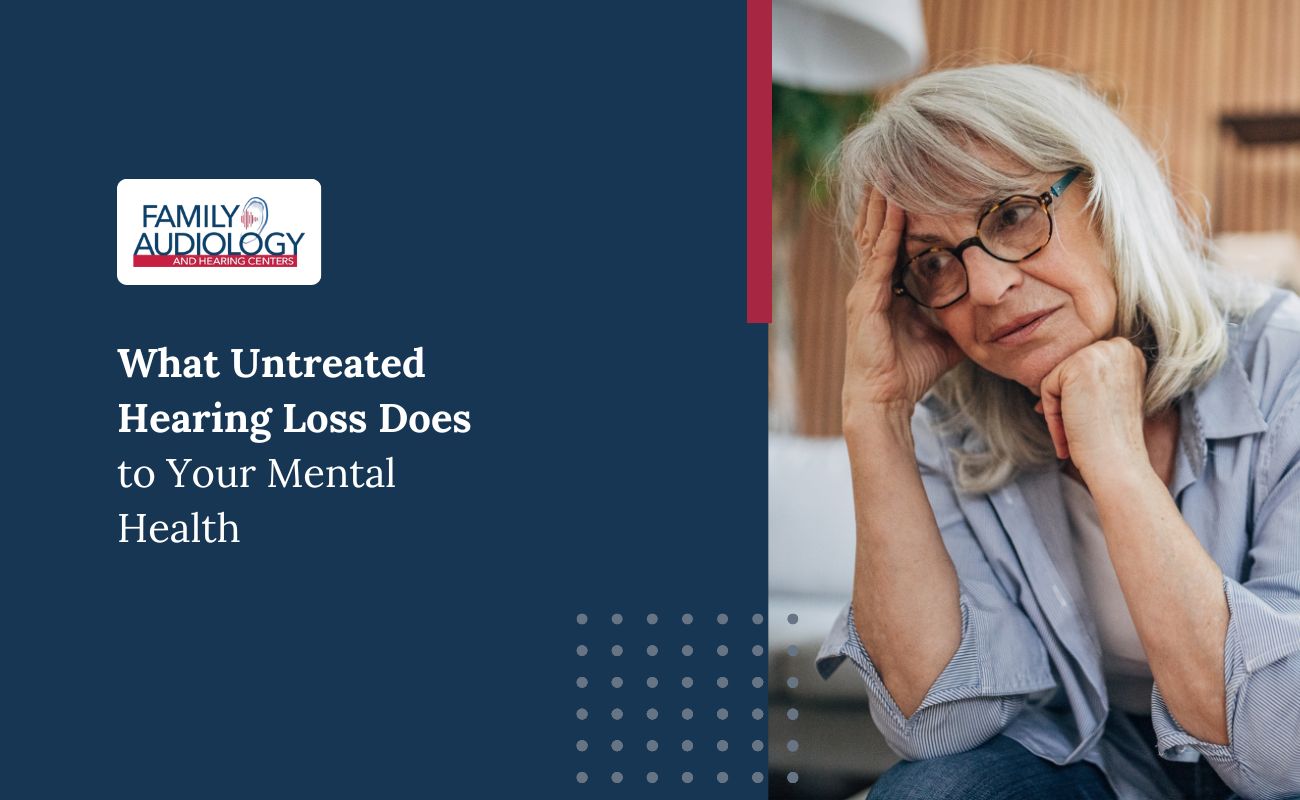


Most people think of hearing loss as a physical problem. The TV creeps louder. You ask people to repeat themselves. You nod along in conversations you're only half following. You feel fatigued after social gatherings so you start to decline invitations more often. What gets talked about far less is what that slow disconnection does to you emotionally, and the research on it is hard to brush aside.
The Numbers Are Hard to Ignore
A 2020 meta-analysis in The Gerontologist pooled 35 studies covering more than 147,000 older adults and found that people with hearing loss had roughly 47% greater odds of depression than people without it. That's not a small gap.
It tracks with what untreated hearing loss looks like day to day. This isn't only about missed words. It's skipping the dinner party, since keeping up with six voices at once wears you out. It's nodding at the wrong moment in a meeting and hoping nobody caught it. It's letting phone calls with the grandkids get shorter and shorter. Those small retreats stack up. Frustration turns into isolation, and isolation starts to look a lot like depression.
Withdrawal Is Where It Starts
The connection between hearing and mood runs mostly through one thing: pulling back from people. When listening takes effort, most of us start opting out without ever really deciding to. Staying home is easier than spending an evening straining to follow a conversation over restaurant noise.
We aren't built for that kind of quiet. Time with other people ties directly to mood, memory, and how sharp you feel day to day. When that shrinks, mental health tends to follow it down.
Then there's the anxiety piece, which gets far less attention than it deserves. Constantly bracing to catch what someone said. Worrying you missed something important at work. Feeling your face go hot when you answer the wrong question. That chronic stress is draining in a way that's genuinely hard to put into words, and it doesn't switch off when you get home.
What Treatment Actually Changes
Here's the part worth holding onto. Treatment actually helps. The American Academy of Audiology points to research showing reductions in depressive symptoms within three months of hearing aid use, not years down the road.
That matches what we see in our offices. Patients who put this off for a decade often describe their first few months with hearing aids in terms that have nothing to do with volume. They're less tired at the end of the day. They stop dreading the phone. They start saying yes to things they'd quietly stopped doing.
Today's devices are a long way from what most people still picture. Hearing aids like the Oticon Reveal and Phonak EON separate speech from background sound in real time, so following a conversation takes less mental work. That difference shows up most in the settings where hearing is hardest: restaurants, holiday tables, anywhere several people talk at once.
Questions Worth Asking Yourself
Hearing loss and low mood both creep in gradually. Neither one announces itself. People chalk up a flat mood to stress, to age, to just being who they are now, and never connect it to the hearing trouble they've been quietly working around for years.
So ask honestly. Have you been turning down invitations that used to be easy yeses? Do you feel more on edge than you used to? Has someone close to you mentioned that you seem withdrawn?
If any of that lands, hearing may be one piece of the picture. Low mood that sticks around deserves a conversation with your doctor or a mental health professional too. A hearing evaluation simply gives you one more answer to work with, and the test itself is painless and takes under an hour.
Schedule a Hearing Evaluation in Ohio
At Family Audiology and Hearing Centers, we see patients at convenient locations across Ohio plus one in Onalaska, Wisconsin, and a good share of them walk in with exactly this story. Hearing they've put off addressing, and years of quiet weight that came along with it. Fitting the device is the straightforward part. Understanding what you've been missing, and what stands between you and the life you'd like back, is the work that matters.
If hearing might be affecting how you feel, or it's simply been a few years since anyone checked, reach out today. We'd be glad to talk it through.


Discover the Latest Articles
Stay informed with our informative articles.

What Oticon Reveal's Dual AI System Mean for Ohio Patients
How Ohio Patients Are Using AI Hearing Aids at Work and Home
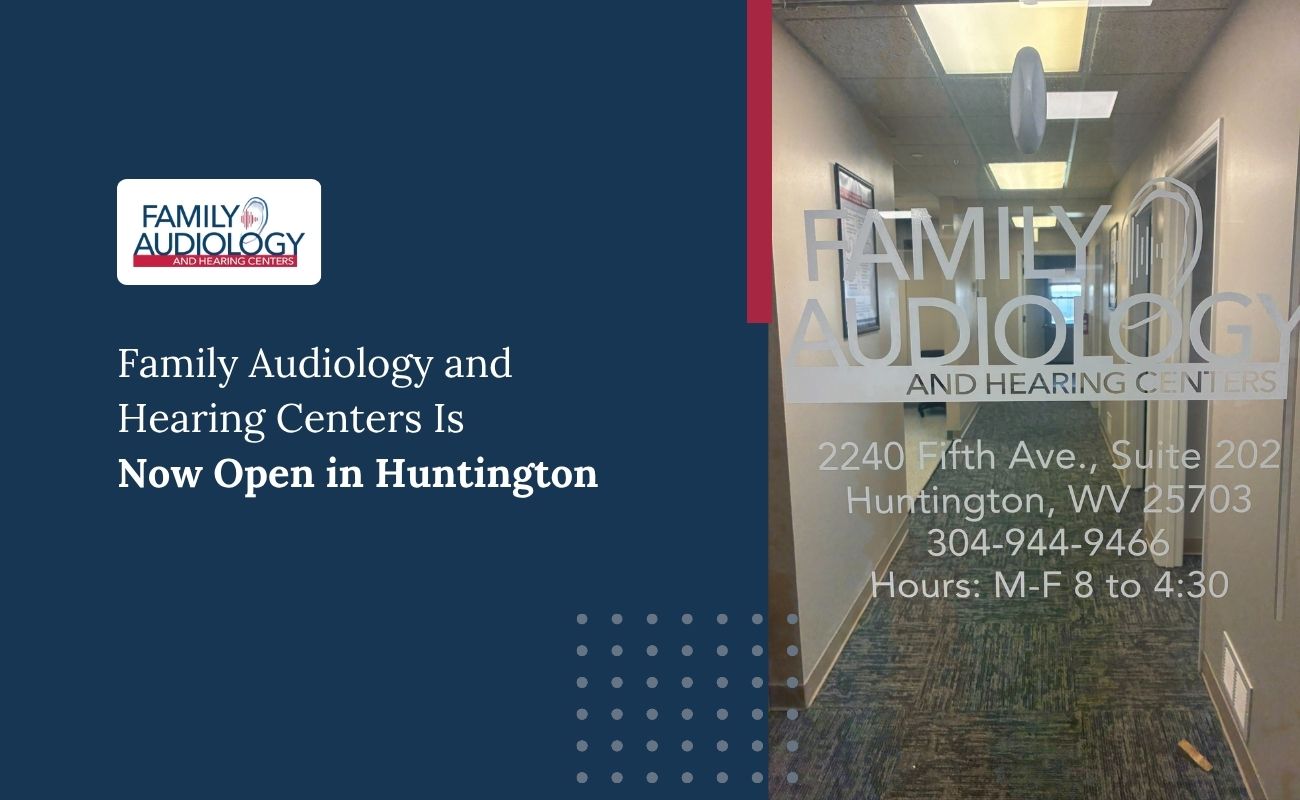
Family Audiology and Hearing Centers Is Now Open in Huntington, WV
Contact your local Hearing Aid Specialists
At Family Audiology and Hearing Centers, we strive to be there for all your family’s hearing needs. Because of this, we have 18 convenient locations in Ohio and Wisconsin for you to visit. See which location is best for you and schedule an appointment today.