
Hearing loss and dementia
Explore the impact of hearing loss as a modifiable risk factor, empowering you to take charge of your brain health.
- 1 of 12 topics on hearing and your health
- No referral needed in most cases
- A hearing test takes 30 to 60 minutes
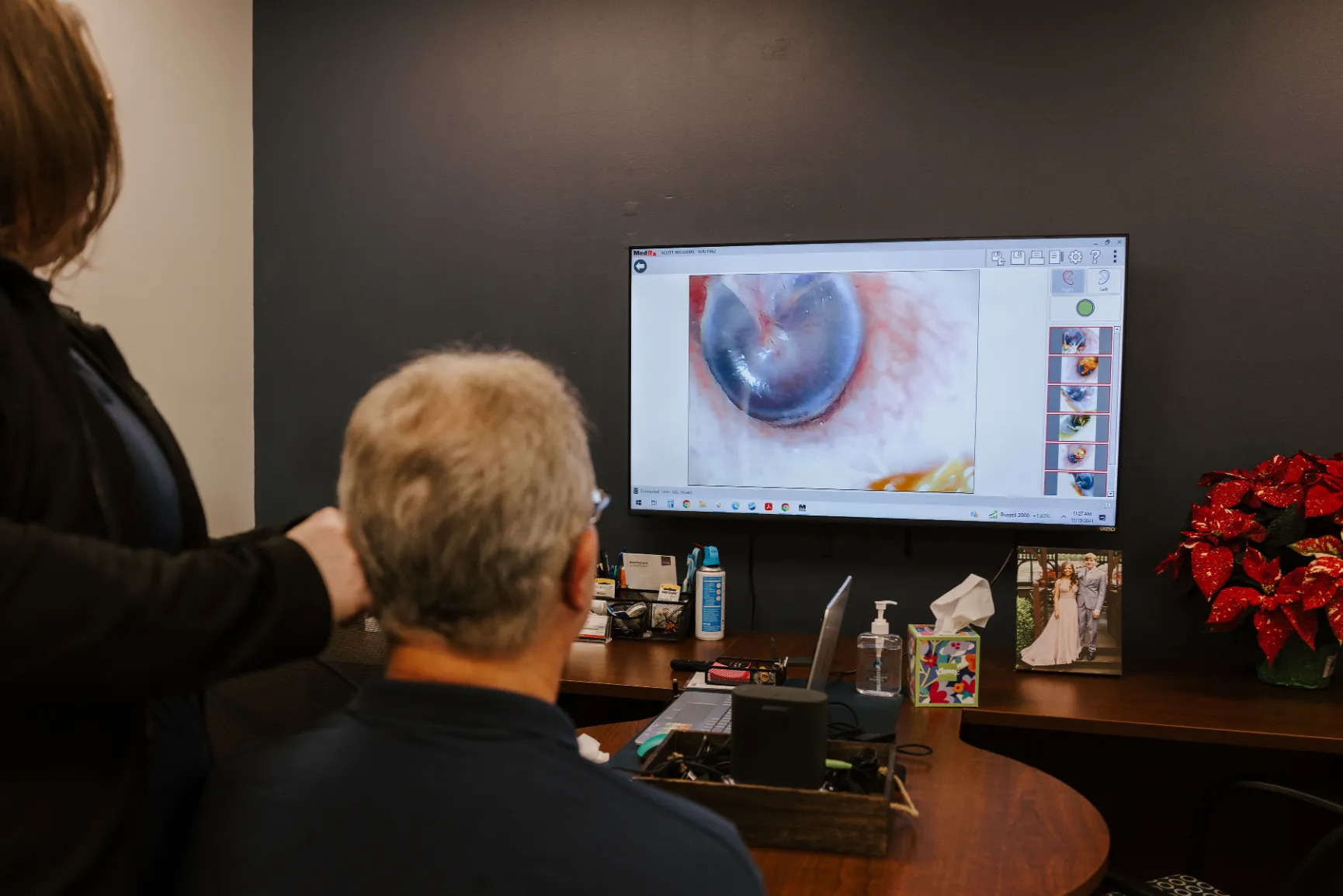
Join the fight against dementia
With June being Alzheimer’s & Brain Awareness Month, more citizens in our community should hear the facts about prevalence and preventative pursuits.
What is the estimated number of Americans…
- Living with Alzheimer’s? 6 million.
- Providing unpaid care for people with Alzheimer’s or other dementias? 11 million
By analogy, while coronary artery disease relates to heart function, Alzheimer’s disease concerns brain function. When nerve cells are damaged, it harms brain neurons crucial to thinking, talking, walking and all human capacities.
Are you unsure how to distinguish between dementia and Alzheimer’s disease?
- Dementia refers to characteristic symptoms including challenges with language, memory, problem-solving and abilities to take care of activities of daily living.
- Alzheimer’s disease is a primary cause (60-80%) of dementia cases, with chronic changes that degrade brain neuron functionality.
To assess dementia’s societal impact, these Facts & Figures from the Alzheimer’s Association® speak volumes.
Does someone in your circle of life have memory difficulties and appear apathetic, depressed or confused? Do their behavioral changes on basic tasks reveal poor judgment?
Research studies make known that proactively managing Alzheimer’s disease can improve quality of life for affected individuals and caregivers struggling to assist with daily needs, medical complications, and emotional stress.
As a highly respected medical journal states,
“Acting now on dementia prevention, intervention and care will vastly improve living and dying for individuals with dementia and their families, and in doing so, will transform the future for our society. Overall, about 80% of dementias are in people aged 75 years and older, while the number of people with this condition is expected to increase to 66 million by 2030 and 131 million by 2050, driven by rising numbers of older adults.”1
The Lancet study indicated hearing loss is one of the most important modifiable risk factors, along with related medical conditions and lifestyle issues such as diabetes, hypertension, smoking, social isolation, and depression. Evidence shows social isolation may be a risk factor for dementia, indicating the essential role of communication wellness in quality of life.
In recognizing dementia’s epidemic proportion, debilitating impacts, economic costs, and proactive treatment options, it is imperative we promote positive cycles of community education and engagement. We aim for you and your loved ones to be in the know.
Each of us can Join the Fight with the Alzheimer’s Association, this June and beyond, to boost…
- Awareness that “Worldwide, more than 55 million people are living with Alzheimer’s or another dementia.
- Understanding that dual sensory impairment (DSI) increases risks
- Treatment goals which ensure best vision and hearing abilities
- Outcomes that enhance sensory abilities, brain health and quality of life
Amplify impact by advising loved ones to take care of their ears and not wait years. Learn why consistent auditory (sound) stimulus is healthy exercise for your brain. In fact, Ear to Brain is A Vital Domain™.
By seeing us for periodic evaluations, we can accurately diagnose your current hearing status and provide personalized solutions which empower you to hear your best, socialize in pleasurable ways and promote mental resilience. Spring forward, schedule your appointment and be Happy to Hear.
When to see your doctor
Talk to your doctor about any changes in memory, thinking or behavior. Memory problems have many causes, and some, such as side effects of medicines, low vitamin B12 or thyroid problems, can be treated.2 Your doctor can also help with other risk factors, such as blood pressure, cholesterol, diabetes and low mood.3
See a doctor right away if your hearing drops suddenly in one or both ears. Sudden hearing loss should be treated as a medical emergency.4
1 The Lancet DOI:https://doi.org/10.1016/S0140-6736(17)31363-6
2 National Institute on Aging. What Is Dementia? Symptoms, Types, and Diagnosis. nia.nih.gov/health/alzheimers-and-dementia/what-dementia-symptoms-types-and-diagnosis
3 Livingston G, et al. Dementia prevention, intervention, and care: 2024 report of the Lancet standing Commission. The Lancet, 2024;404:572-628. doi.org/10.1016/S0140-6736(24)01296-0
4 NIDCD. Sudden Deafness. nidcd.nih.gov/health/sudden-deafness
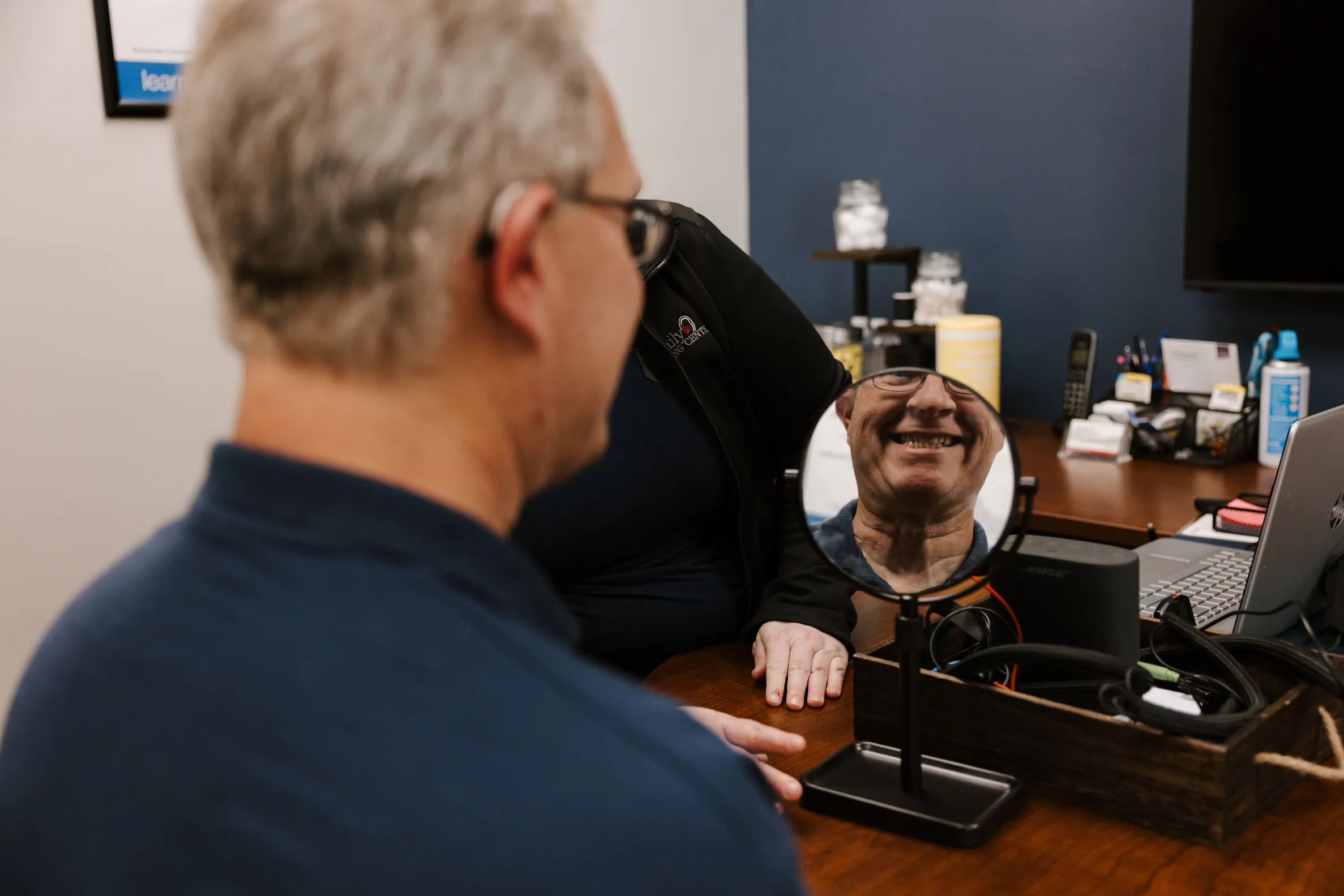
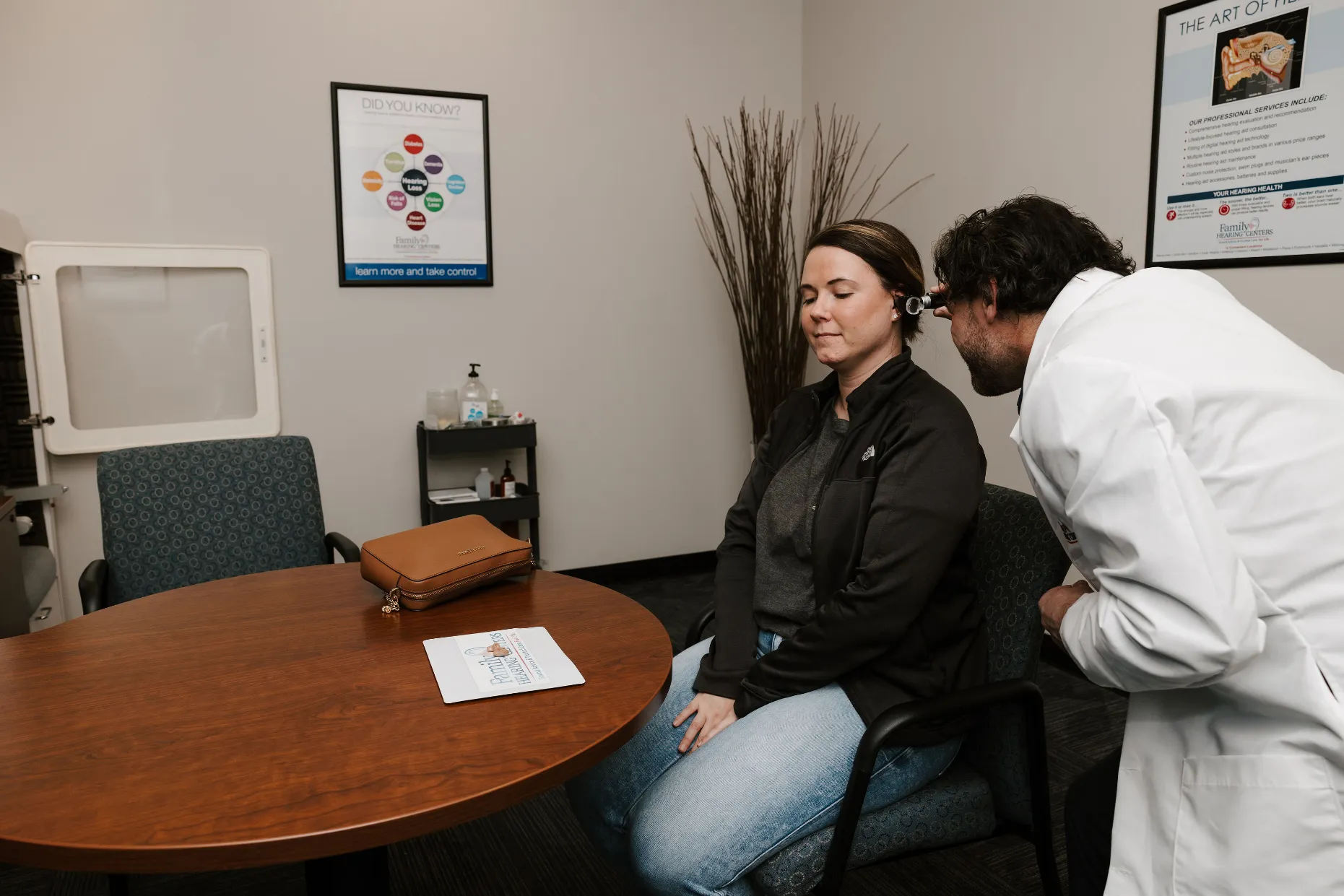
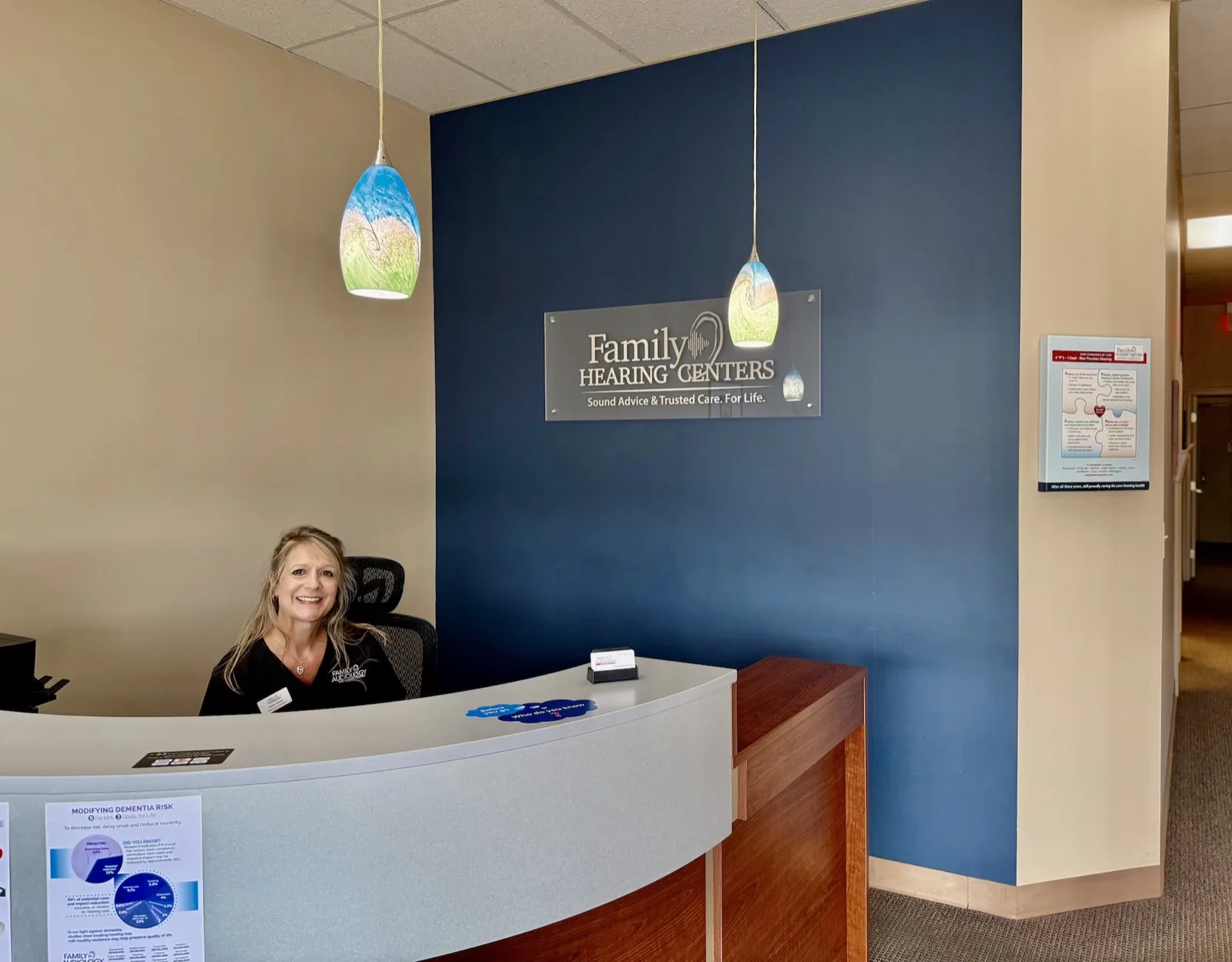
Why choose Family Audiology and Hearing Centers?
Local and family owned since 1985, with 18 convenient locations.
- No referral needed in most cases
Some insurance plans may require one for coverage, so it's worth checking with your plan.
- 18 locations close to home
16 in Ohio, 1 in Wisconsin and 1 in West Virginia.
- Family owned since 1985
3 generations of our family, and providers who live and work in your local community.
Take our 2-minute hearing check
A voice says three numbers while background noise plays. Tap the numbers you heard. The noise gets louder when you're right and quieter when you're not, so nobody gets them all.
About 2 minutes
Your answers stay on this page and are not sent anywhere.
First, set your volume
- Headphones or earbuds if you have them. Speakers work in a quiet room.
- Play the sample and turn your volume to where the voice is comfortable.
- Leave the volume alone after that.
Test version: the voice is a computer's. The finished one is a recorded person.
Listen…
Where most people with typical hearing keep up to (test version: this band is not measured yet)
This check is not a diagnosis. Phones, earbuds and rooms all differ. Only a hearing test with one of our providers measures your hearing.
Without hearing aids
More on hearing loss
4 more topics, and a service that can help.
Book a hearing test
A hearing test shows where your hearing stands today. It takes about 30 to 60 minutes, and we go through the results with you when the tests are done. In most cases no referral is needed.