
Ototoxicity and hearing loss
Know more about the often-overlooked topic of ototoxicity, a condition characterized by medication-induced hearing loss.
- 1 of 12 topics on hearing and your health
- No referral needed in most cases
- A hearing test takes 30 to 60 minutes
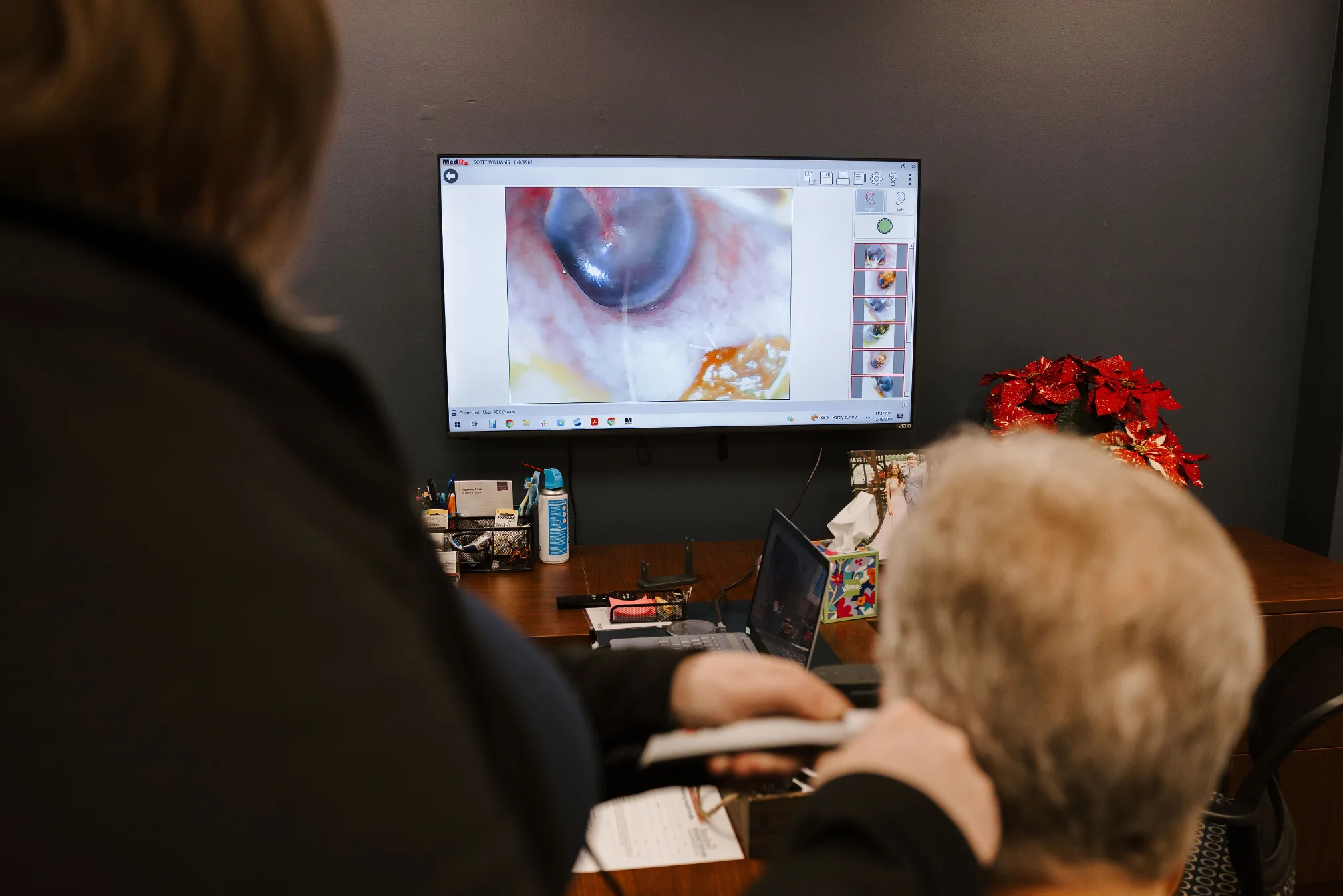
Ototoxicity awareness is sensible
Do you or your loved ones…
- take multiple medications or are considering medical treatment options requiring them?
- notice how drug ads on television spend more time explaining side effects than potential quality of life benefits?
- as healthcare consumers, read and understand the fine print of informational pamphlets included with prescriptions?
While medicinal therapies can help manage acute or chronic conditions, as with many things in life, it is crucial to evaluate potential benefits and risks of healthcare decisions.
“Ototoxicity” is a big word which most are unfamiliar with. More simply stated, it is medicine-induced hearing loss which, although common, is rarely discussed and seldom explained. The term derives from “oto,” referring to the ear and “toxic,” meaning poisonous. From at-home drug cabinets to life-saving protocols, many types of therapeutic agents are ototoxic.
Did you know?
An estimated 100 classes of drugs frequently used to treat pain and infections, along with cancer, heart or kidney disease, can damage the inner ear’s tiny cochlea and/or vestibular (balance) system.
From pain relievers like aspirin, to NSAIDS such as ibuprofen, or antibiotics to loop diuretics and chemotherapy medications, exposure to potentially ototoxic medications can damage inner ear sensory hair cells, often permanently. As a result, individuals may experience hearing loss, tinnitus (ringing in the ears), hyperacusis (acute sensitivity to sound) or dizziness.
Learning ototoxic factors are societally prevalent, you should hear the facts about Signs & Signals. As necessary, experts suggest proactively discussing ototoxic concerns with your:
- Primary care doctor
- ENT doctor
- Physician’s assistant
- Pharmacist
- Oncologist and of course, your ...
- Hearing care professional
Many variables influence audiologic responses such as medication types, dosage amounts and usage duration. With ototoxicity detection, sooner is better and notable symptoms, including hearing loss, ought to be promptly reported. For your information, timely discovery of harmful effects is carefully advised.
For those receiving chemotherapy, earlier referrals to hearing care professionals facilitates proactive identification of ototoxic hearing loss, evidence-based diagnostics, empathetic counseling and implementation of personalized hearing solutions. In fact, your healthcare team’s coordination may reduce ototoxic risks and improve quality of life outcomes.
Fortunately, some insurance policies cover essential exams, so we encourage closely reviewing your benefits. Among other clinical facets, with your healthcare providers’ sound advice, preventive Ototoxicity Monitoring should include:
- A baseline hearing test, prior to or coincident with new pharmaceutical therapies
- Periodic testing, as properly prescribe
- Timely testing, when noteworthy symptoms arise
Healthy adherence to this regimen is vital, as ototoxic detriments often progress until belatedly recognizing hearing abilities, especially at higher frequencies, have rapidly deteriorated. Suffice it say, communication struggles may inhibit abilities to understand verbal care instructions which are in your best interest.
Beyond talking with your primary care doctor, oncologist or pharmacist, please see us and encourage loved ones to get periodic testing which accurately assesses the type and degree of hearing loss. These personal consultations will provide key baseline knowledge and useful dialogue on possible side effects of medicinal treatments. You should know, our kind words of wisdom will serve you well.
When to see your doctor
Call your doctor promptly if you notice hearing changes, new tinnitus or dizziness while taking a medicine, and don't stop the medicine unless they tell you to. If your hearing drops suddenly, see a doctor right away.1
1 NIDCD. Sudden Deafness. nidcd.nih.gov/health/sudden-deafness
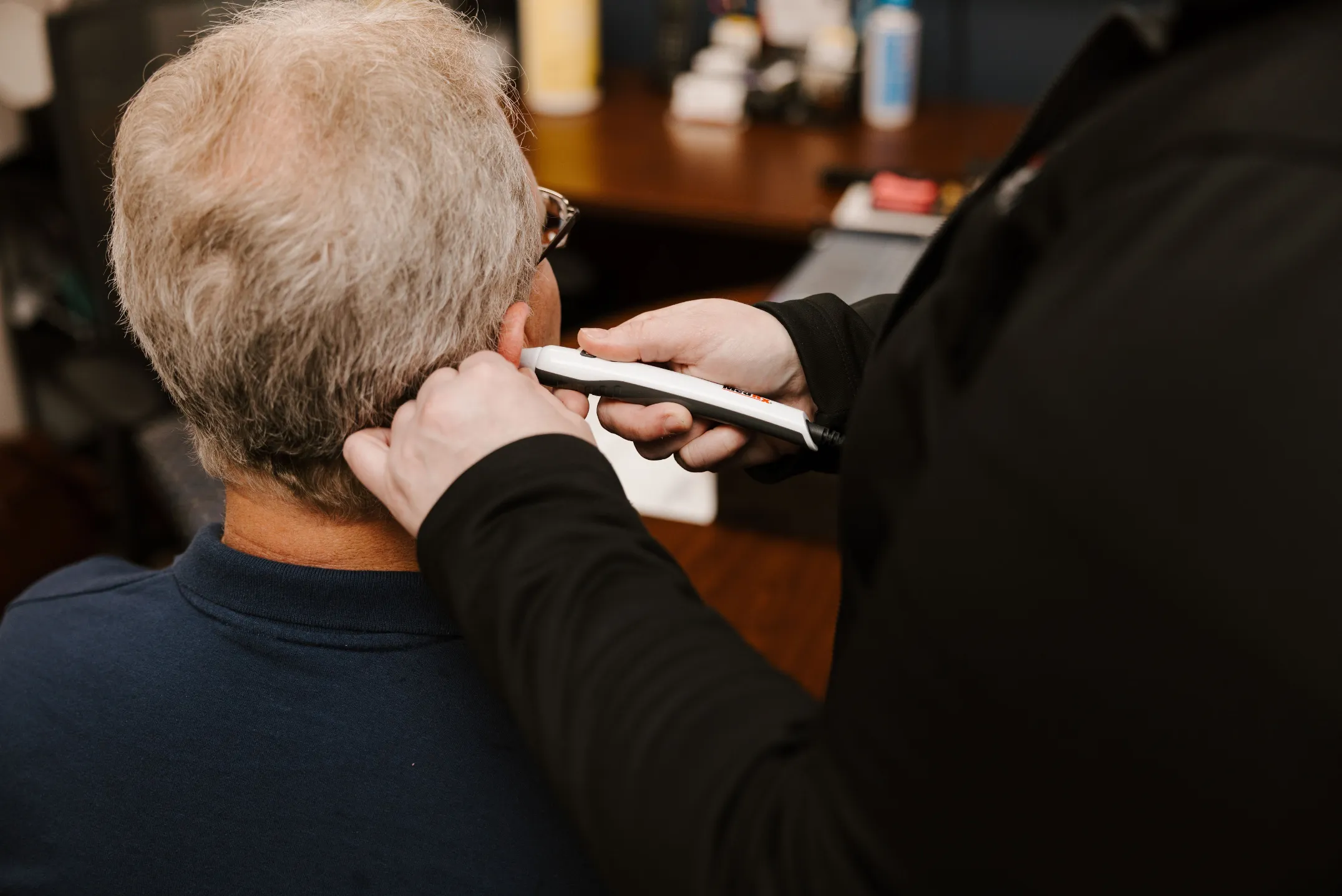
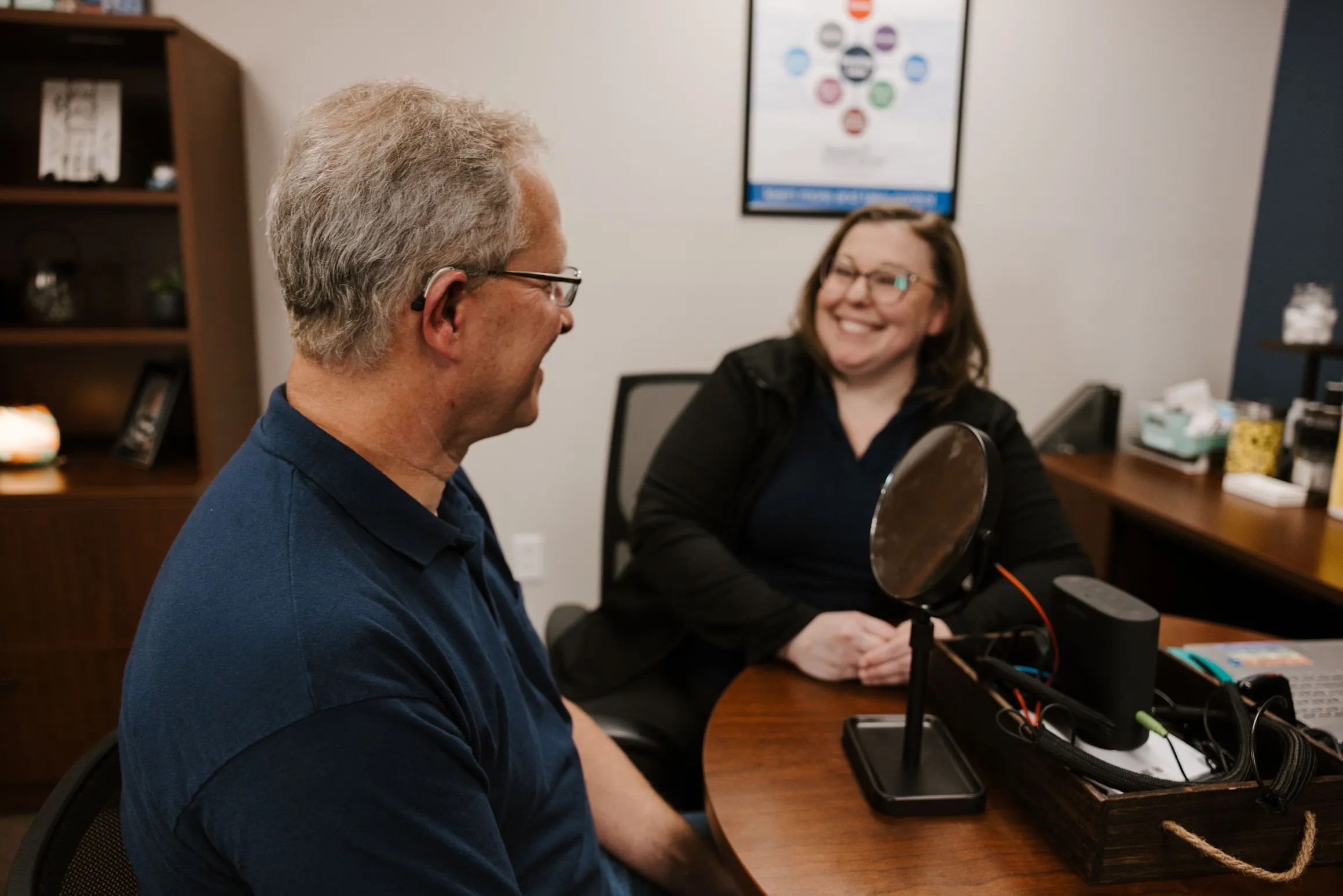
Why choose Family Audiology and Hearing Centers?
Local and family owned since 1985, with 18 convenient locations.
- No referral needed in most cases
Some insurance plans may require one for coverage, so it's worth checking with your plan.
- 18 locations close to home
16 in Ohio, 1 in Wisconsin and 1 in West Virginia.
- Family owned since 1985
3 generations of our family, and providers who live and work in your local community.
Take our 2-minute hearing check
A voice says three numbers while background noise plays. Tap the numbers you heard. The noise gets louder when you're right and quieter when you're not, so nobody gets them all.
About 2 minutes
Your answers stay on this page and are not sent anywhere.
First, set your volume
- Headphones or earbuds if you have them. Speakers work in a quiet room.
- Play the sample and turn your volume to where the voice is comfortable.
- Leave the volume alone after that.
Test version: the voice is a computer's. The finished one is a recorded person.
Listen…
Where most people with typical hearing keep up to (test version: this band is not measured yet)
This check is not a diagnosis. Phones, earbuds and rooms all differ. Only a hearing test with one of our providers measures your hearing.
Without hearing aids
More on hearing loss
4 more topics, and a service that can help.
Book a hearing test
A hearing test shows where your hearing stands today. It takes about 30 to 60 minutes, and we go through the results with you when the tests are done. In most cases no referral is needed.