
Heart Disease and Hearing Loss Link Explained by an Audiologist
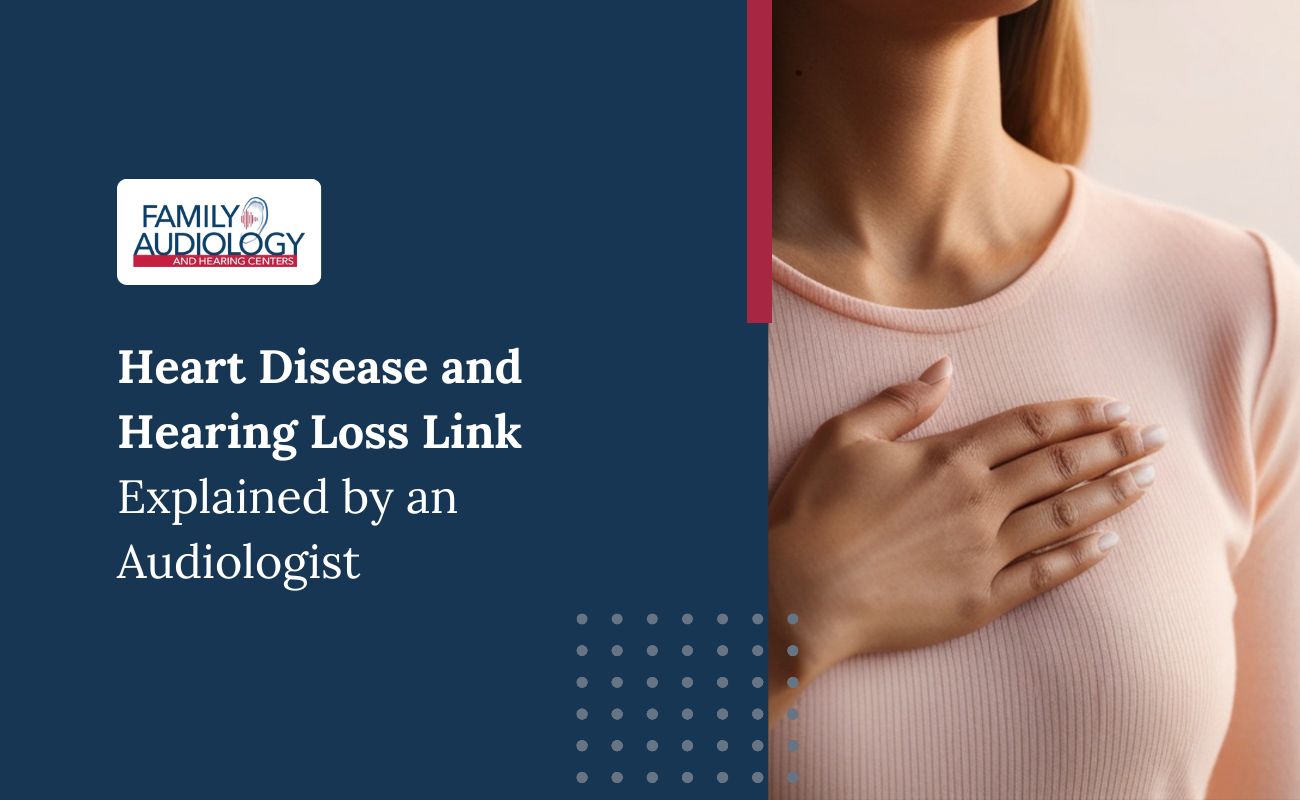


February is American Heart Month, making it an ideal time to explore an often-overlooked connection: the link between cardiovascular health and hearing loss. At Family Audiology and Hearing Centers, we regularly encounter patients surprised to learn that their heart health and hearing ability are interconnected. Understanding this relationship can help you take proactive steps to protect both your cardiovascular system and your hearing.
How the Cardiovascular System Supports Healthy Hearing
Your inner ear relies on a steady supply of oxygen-rich blood to function properly. The delicate hair cells in the cochlea, which convert sound vibrations into electrical signals for the brain, are particularly sensitive to changes in blood flow. When cardiovascular disease restricts or damages blood vessels, it can reduce the amount of oxygen reaching these critical structures.
The inner ear contains some of the smallest blood vessels in the body, making it especially vulnerable to circulatory problems. Poor blood flow can damage or destroy these hair cells, leading to permanent hearing loss. Unlike many other cells in the body, cochlear hair cells cannot regenerate once damaged, making cardiovascular health essential for preserving hearing throughout your life.
Research Linking Heart Disease and Hearing Loss
Multiple studies have established a clear connection between cardiovascular disease and hearing impairment. Research published in the American Journal of Audiology found that adults with cardiovascular disease have a 54% higher risk of developing hearing loss compared to those without heart conditions. The relationship appears to be dose-dependent, meaning the more severe the cardiovascular disease, the greater the risk of hearing impairment.
Specific cardiovascular conditions associated with increased hearing loss risk include coronary artery disease, peripheral arterial disease, atherosclerosis, and stroke. High blood pressure, high cholesterol, and diabetes—all risk factors for heart disease—also correlate with higher rates of hearing impairment.
The connection works in both directions. Not only can cardiovascular disease lead to hearing loss, but emerging research suggests that hearing loss may serve as an early indicator of cardiovascular problems. Some audiologists and physicians now view hearing tests as potential screening tools for identifying patients who may benefit from cardiovascular evaluation.
Common Risk Factors Shared by Heart Disease and Hearing Loss
Several lifestyle and health factors increase the risk of both cardiovascular disease and hearing loss:
Smoking damages blood vessels throughout the body, including those supplying the inner ear. Smokers face nearly twice the risk of hearing loss compared to non-smokers, and this risk extends to those exposed to secondhand smoke.
Diabetes affects small blood vessels and can damage the auditory system. People with diabetes are twice as likely to experience hearing loss as those without the condition.
High blood pressure forces the heart to work harder and can damage delicate blood vessels in the ear. Hypertension is associated with both sudden and gradual hearing loss.
High cholesterol leads to plaque buildup in arteries, restricting blood flow to the inner ear and increasing the risk of hearing impairment.
Physical inactivity contributes to poor circulation and increases the risk of both cardiovascular disease and hearing loss. Regular exercise promotes healthy blood flow throughout the body, including to the inner ear.
Poor diet affects cardiovascular health and may influence hearing ability. Diets high in processed foods, saturated fats, and sodium can damage blood vessels and reduce oxygen delivery to the auditory system.
The Impact of Age on Both Systems
Age represents a significant risk factor for both cardiovascular disease and hearing loss. As we age, blood vessels naturally become less flexible and more prone to plaque buildup. At the same time, the hair cells in the inner ear gradually deteriorate through normal wear and tear.
When cardiovascular disease develops alongside age-related changes in the auditory system, the combined effect can accelerate hearing decline. Adults over 50 should pay particular attention to both their cardiovascular health and hearing ability, as early intervention in either area can help preserve function in both systems.
Protecting Your Hearing by Supporting Heart Health
The good news is that many strategies for maintaining cardiovascular health also protect your hearing. Taking care of your heart often means taking care of your ears.
Exercise regularly. Aim for at least 150 minutes of moderate-intensity aerobic activity per week. Physical activity improves circulation throughout the body, including to the inner ear. Even moderate exercise like brisk walking can make a significant difference.
Eat a heart-healthy diet. Focus on fruits, vegetables, whole grains, lean proteins, and healthy fats. Foods rich in omega-3 fatty acids, such as salmon and walnuts, support both cardiovascular and auditory health. The Mediterranean diet, in particular, has been associated with reduced hearing loss risk.
Maintain a healthy weight. Excess weight increases the risk of diabetes, high blood pressure, and high cholesterol—all of which can damage both your heart and hearing.
Manage blood pressure and cholesterol. Work with your physician to keep these numbers within healthy ranges. Medication, when necessary, can help protect both your cardiovascular system and your hearing.
Avoid tobacco. If you smoke, quitting is one of the best things you can do for your heart and ears. If you don't smoke, avoid exposure to secondhand smoke whenever possible.
Limit alcohol consumption. Excessive alcohol use can raise blood pressure and contribute to heart disease. Moderate intake, if any, is best for overall health.
Manage stress. Chronic stress affects cardiovascular health and may contribute to hearing problems. Find healthy ways to manage stress, such as meditation, yoga, or spending time with loved ones.
The Importance of Regular Screening
Given the connection between cardiovascular disease and hearing loss, regular screening for both becomes increasingly important, especially after age 50. Many cardiovascular conditions develop gradually without obvious symptoms, just as hearing loss often occurs slowly over time.
We recommend annual hearing evaluations for adults over 50, or more frequently if you have cardiovascular disease or risk factors. These tests establish a baseline for your hearing and allow us to detect changes early. Similarly, regular cardiovascular screening with your physician can identify risk factors or early disease before serious complications develop.
If you have cardiovascular disease, consider it an additional reason to monitor your hearing closely. Early detection of hearing changes allows for timely intervention, which can significantly improve outcomes and quality of life.
Schedule Your Hearing Evaluation Today
Understanding the connection between heart health and hearing emphasizes the importance of comprehensive healthcare. Your cardiovascular system and auditory system work together, and protecting one often means protecting the other.
At Family Audiology and Hearing Centers, we provide thorough hearing evaluations at our 17 locations across Ohio and Wisconsin. Whether you have cardiovascular disease, risk factors for heart disease, or simply want to establish a baseline for your hearing health, our experienced audiologists are here to help.
This February, during American Heart Month, take action to protect both your heart and your hearing. Contact us today to schedule a comprehensive hearing test. By staying proactive about your cardiovascular and auditory health, you can maintain better communication, stronger relationships, and a higher quality of life for years to come.

Discover the Latest Articles
Stay informed with our informative articles.
What Oticon Reveal's Dual AI System Mean for Ohio Patients
How Ohio Patients Are Using AI Hearing Aids at Work and Home
Family Audiology and Hearing Centers Is Now Open in Huntington, WV
Contact your local Hearing Aid Specialists
At Family Audiology and Hearing Centers, we strive to be there for all your family’s hearing needs. Because of this, we have 18 convenient locations in Ohio and Wisconsin for you to visit. See which location is best for you and schedule an appointment today.