
Sudden Hearing Loss Is a Medical Emergency — Here's What to Do
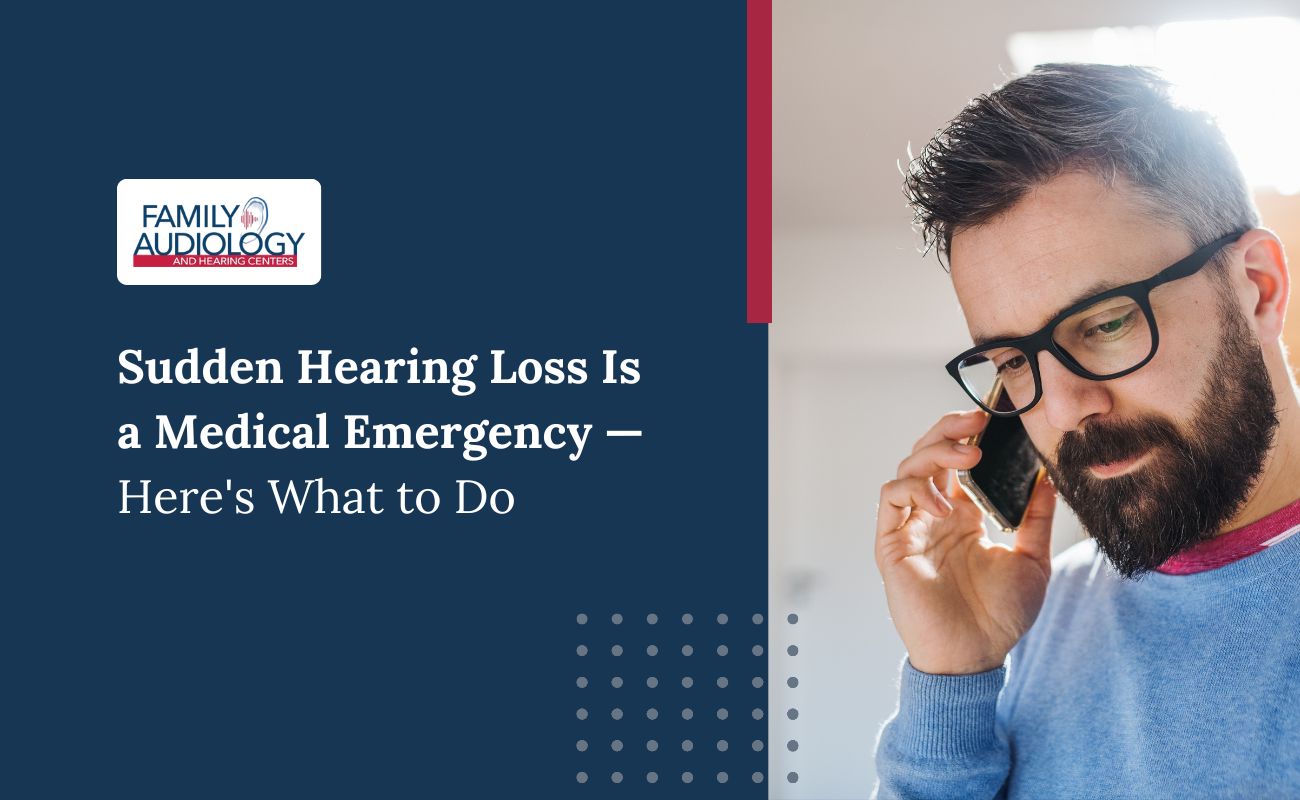


Most people expect hearing loss to sneak up on them. The TV creeps louder, conversations get harder to follow, and you start asking people to repeat themselves. That slow decline is common. But sudden hearing loss is an entirely different situation, and how fast you respond can determine whether you get your hearing back.
What Sudden Hearing Loss Actually Means
Sudden sensorineural hearing loss (often called SSHL or sudden deafness) means losing significant hearing in one ear within 72 hours. You might wake up one morning unable to hear on one side, or notice a sharp drop over just a couple of days.
It usually affects only one ear. People often describe a popping sensation, a plugged feeling, or ringing. Some experience dizziness. And many assume it's earwax, allergies, or a cold, so they wait for it to clear on its own. That's the mistake that costs them.
Why the First 72 Hours Are Critical
There's a real treatment window here, and it closes fast. Most research points to a window of roughly 72 hours to two weeks. After that, the chances of meaningful recovery drop significantly, even with treatment.
The standard treatment is steroids, either taken orally or injected directly into the ear. They work best when started quickly. Patients who wait weeks before seeing a doctor often see far less improvement. That's not meant to scare you. It's just how this condition works, and knowing it matters.
What to Do the Moment It Happens
Treat sudden hearing loss like the emergency it is. Don't take a wait-and-see approach. Go to urgent care, an emergency room, or call your doctor that same day. The sooner a physician evaluates you and starts treatment, the better your odds.
Once you've been seen and treatment has started, your next step is a comprehensive hearing evaluation with an audiologist. An audiologist can measure exactly how much hearing you've lost, track whether it's recovering, and help you understand what comes next as things develop.
Why the Cause Often Stays Unknown
Here's something that surprises a lot of patients: about 85–90% of SSHL cases have no identifiable cause. Doctors suspect viral infections, circulation problems in the inner ear, or immune system reactions, but in most cases, the trigger is never confirmed.
Some cases are linked to specific conditions like Meniere's disease, a benign tumor on the hearing nerve (called an acoustic neuroma), or certain medications that can damage hearing. That's exactly why a thorough evaluation matters, not just to document the loss, but to look for anything else that might need attention.
What Recovery Can Look Like
Hearing outcomes vary. Some people recover fully or partially with treatment. Others have permanent hearing loss in the affected ear, even after doing everything right. That's genuinely hard news, but it doesn't mean you're out of options.
If your hearing doesn't come back, today's hearing technology is better than it's ever been. Hearing aids can make a significant difference for many people. In cases where one ear has a profound loss that doesn't respond to other treatments, a bone-anchored hearing device or cochlear implant may eventually be considered. The key is staying in close contact with your care team so you know exactly where you stand and what's available to you.
How Family Audiology and Hearing Centers Can Help
At Family Audiology and Hearing Centers, we work with patients across Ohio and in Onalaska, Wisconsin who are navigating hearing loss at every stage, including those recovering from sudden hearing events.
Our audiologists provide comprehensive hearing evaluations, monitor your recovery over time, and walk you through your options if permanent changes remain. You'll always know what the testing shows and what it means for you going forward.
If you've had a sudden change in your hearing, don't put it off. Contact one of our locations to schedule an evaluation. Getting answers quickly gives you the best possible shot at the best possible outcome.


Discover the Latest Articles
Stay informed with our informative articles.
What Oticon Reveal's Dual AI System Mean for Ohio Patients
How Ohio Patients Are Using AI Hearing Aids at Work and Home
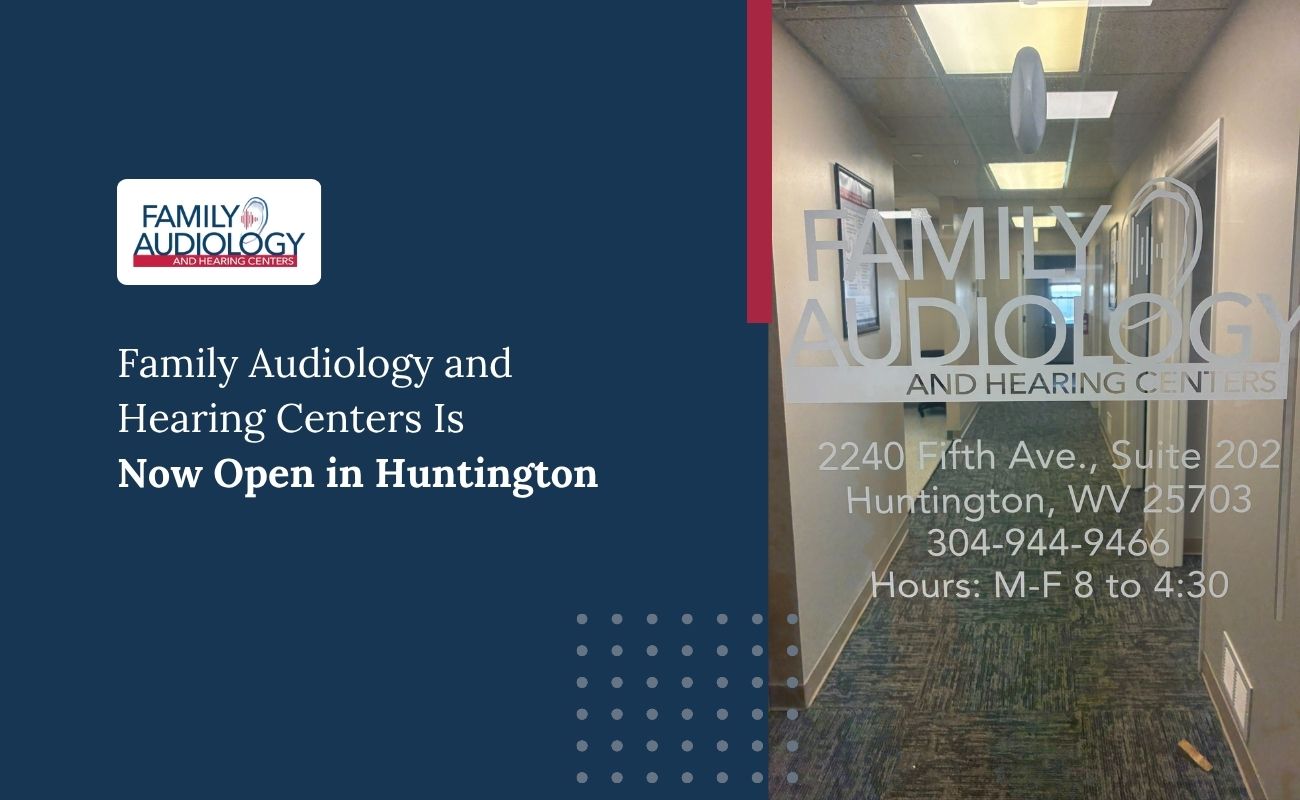
Family Audiology and Hearing Centers Is Now Open in Huntington, WV
Contact your local Hearing Aid Specialists
At Family Audiology and Hearing Centers, we strive to be there for all your family’s hearing needs. Because of this, we have 18 convenient locations in Ohio and Wisconsin for you to visit. See which location is best for you and schedule an appointment today.