
Why Does My Tinnitus Change Throughout the Day?


If you've noticed that your tinnitus seems louder in the morning, quieter after lunch, or more intense in the evening, you're not alone. Many people with tinnitus experience these daily fluctuations, and understanding what causes these changes can help you manage your symptoms more effectively.
At Family Audiology and Hearing Centers, our experienced audiologists work with patients across our 17 Ohio locations to identify the factors that influence their tinnitus and develop personalized management strategies.
Understanding Tinnitus Fluctuations
Tinnitus—that ringing, buzzing, or whistling sound you hear without an external source—affects somewhere between 10 to 25% of adults. While some people experience consistent tinnitus throughout the day, many others notice significant variations in volume, pitch, and how bothersome it feels at different times.
These fluctuations aren't random. Your body's internal systems, environmental factors, and daily habits all play a role in how you perceive tinnitus.
The Role of Sleep Quality
Poor sleep quality can make tinnitus seem louder and more intrusive the following day. When you're sleep-deprived, your brain has less capacity to filter out the tinnitus signal. The auditory cortex becomes more sensitive, making the phantom sounds seem more prominent. Fatigue also reduces your ability to cope emotionally, which can make the same level of tinnitus feel more distressing than it would after a restful night.
Many of our patients report that their tinnitus is most noticeable in the morning after interrupted sleep. Establishing consistent sleep habits can help moderate these morning spikes in tinnitus intensity.
Diet and Hydration Impact
What you eat and drink throughout the day can have a real impact on your tinnitus. Caffeine is a common culprit—that morning coffee might give you an energy boost, but it can also temporarily increase tinnitus intensity. Caffeine affects blood flow and can heighten your nervous system's sensitivity to sounds, including the internal sounds of tinnitus.
Alcohol consumption can affect tinnitus in multiple ways. While a drink might help you relax in the evening, alcohol changes blood flow to the inner ear and can cause temporary increases in tinnitus volume.
Salt intake also plays a role. High-sodium meals can lead to fluid retention and increased blood pressure, both of which may intensify tinnitus. Staying properly hydrated matters too—dehydration can reduce blood flow to the inner ear and may make tinnitus more noticeable as the afternoon progresses.
Medication Effects
The timing of your medications can create noticeable patterns in your tinnitus throughout the day. Common over-the-counter pain relievers, particularly high doses of aspirin and ibuprofen, can cause temporary tinnitus or make existing symptoms worse.
Prescription medications can also influence tinnitus. Some antibiotics, diuretics, and antidepressants have been associated with tinnitus symptoms. During your hearing evaluation at Family Audiology and Hearing Centers, we review all medications you're taking to identify any that might be contributing to your symptoms.
Noise Exposure Throughout the Day
Your acoustic environment changes constantly, and these variations can affect how you perceive your tinnitus. Exposure to loud sounds can temporarily worsen tinnitus, sometimes for hours afterward. Morning commutes, construction sounds, or loud work environments can all trigger increases in tinnitus intensity.
Many people notice their tinnitus more in quiet environments. This doesn't mean the tinnitus has actually gotten louder—rather, without competing background sounds, your brain focuses more attention on the internal sounds. This is why tinnitus often seems most bothersome when you're trying to fall asleep in a quiet bedroom.
Stress and Emotional State
Your emotional state throughout the day has a significant impact on how you perceive tinnitus. Stress, anxiety, and fatigue can all make tinnitus seem louder and more bothersome, even if the actual sound hasn't changed.
When you're stressed, your body enters a heightened state of alertness. This stress response makes your nervous system more sensitive to all stimuli, including tinnitus. Stress often causes muscle tension in the jaw, neck, and shoulders, which can exacerbate tinnitus for some people.
Managing stress through techniques like deep breathing exercises, physical activity, and biofeedback can help reduce these stress-related tinnitus spikes. At our practice, we incorporate stress management strategies into comprehensive tinnitus treatment plans.
Physical Activity and Blood Pressure
Exercise increases blood flow throughout the body, including to the ears, which can temporarily affect tinnitus perception. Some people notice their tinnitus is quieter after moderate exercise, while others experience a temporary increase immediately following vigorous activity.
Blood pressure naturally fluctuates throughout the day, typically being lowest during sleep and rising in the morning. These variations can affect tinnitus, particularly for people with pulsatile tinnitus where the sound seems to match the heartbeat.
Managing Daily Tinnitus Fluctuations
Understanding these daily patterns is valuable, but the real benefit comes from using this knowledge to manage your symptoms. Keeping a tinnitus diary where you track symptom intensity along with factors like sleep quality, diet, stress levels, and activities can help you identify your personal triggers.
Based on these patterns, you can make strategic adjustments to your daily routine. This might include limiting caffeine intake, improving sleep hygiene, using sound therapy at specific times of day, or practicing stress-reduction techniques before typically challenging periods.
At Family Audiology and Hearing Centers, we use comprehensive hearing evaluations and detailed patient histories to understand your unique tinnitus patterns. Our audiologists work with you to develop personalized management strategies that address your specific triggers and circumstances.
Schedule Your Tinnitus Evaluation
While tinnitus fluctuations can feel unpredictable and frustrating, understanding the factors that influence your symptoms throughout the day empowers you to take control. By identifying your personal patterns and working with experienced audiologists, you can develop strategies to minimize bothersome periods and improve your overall quality of life.
At Family Audiology and Hearing Centers, our team of hearing specialists across 17 Ohio locations is ready to help you understand and manage your tinnitus. We offer comprehensive evaluations, advanced treatment options including sound therapy devices and behavioral therapies like cognitive behavioral therapy (CBT) and tinnitus retraining therapy (TRT), and ongoing support to help you find relief.
Contact us today to schedule an appointment with one of our experienced audiologists and take the first step toward better tinnitus management.


Discover the Latest Articles
Stay informed with our informative articles.

What Oticon Reveal's Dual AI System Mean for Ohio Patients

How Ohio Patients Are Using AI Hearing Aids at Work and Home
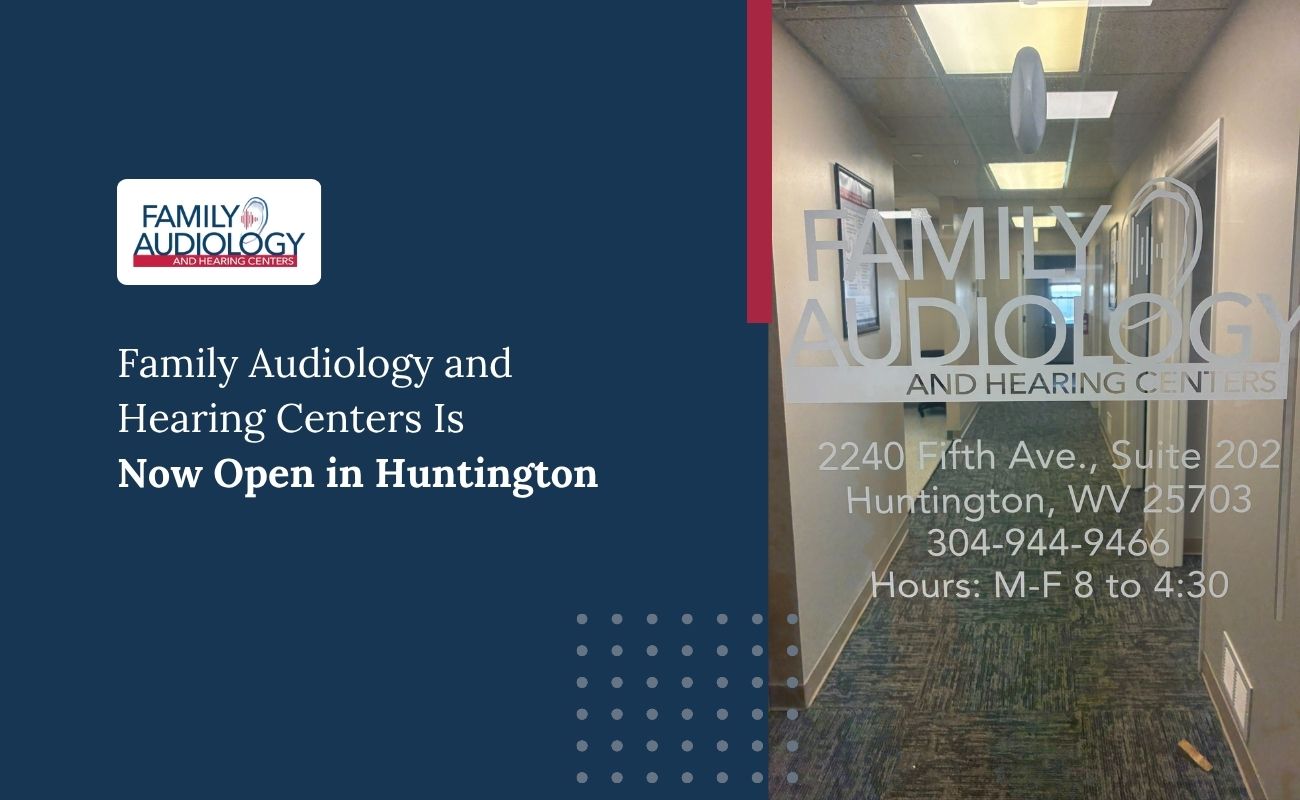
Family Audiology and Hearing Centers Is Now Open in Huntington, WV
Contact your local Hearing Aid Specialists
At Family Audiology and Hearing Centers, we strive to be there for all your family’s hearing needs. Because of this, we have 18 convenient locations in Ohio and Wisconsin for you to visit. See which location is best for you and schedule an appointment today.