
Why Your Audiologist Is the Safest Choice for Professional Earwax Removal
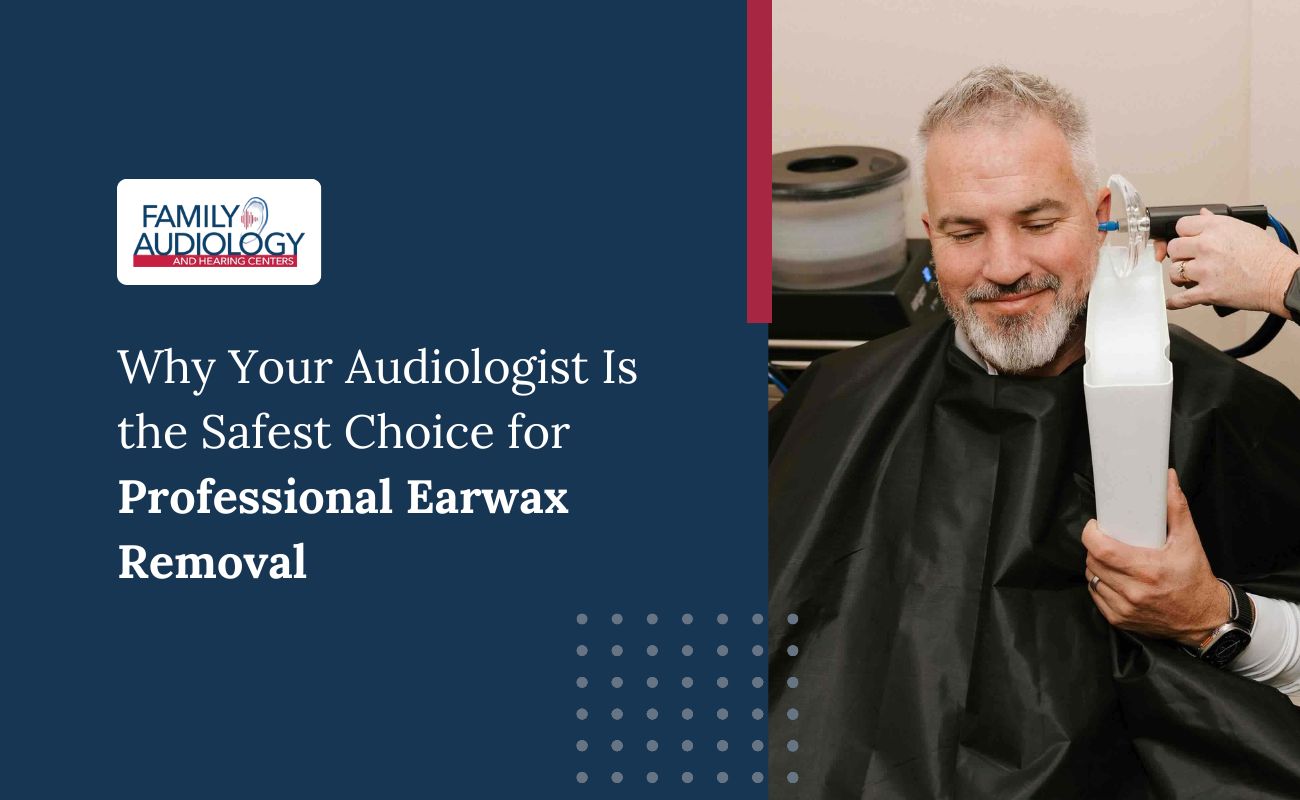


Earwax — or cerumen — is something almost everyone deals with at some point. While it plays a normal, protective role in your ear health, too much of it can cause real problems. Muffled hearing, a feeling of fullness in the ear, ringing, dizziness, and even ear pain are all common symptoms of a blockage. For hearing aid wearers especially, excess earwax is the leading cause of device malfunction.
When buildup becomes a problem, how you remove it matters more than most people realize.
The Risks of At-Home Removal
It can be tempting to reach for a cotton swab or an ear candle when your ears feel blocked. Unfortunately, both options carry real risks. Cotton swabs are one of the most common causes of earwax impaction — rather than removing wax, they push it deeper into the ear canal where it becomes more difficult to clear. Ear candles have not been shown to be effective in clinical settings and can cause injury, including burns and eardrum damage.
Over-the-counter ear drops can help soften wax in mild cases, but they are not a solution for significant buildup, and they are not appropriate for everyone — particularly those with a history of ear infections, perforated eardrums, or ear tubes.
What Professional Earwax Removal Looks Like
When you visit one of our audiologists for earwax removal, the process begins with a thorough look inside your ear using an otoscope. This step allows us to see exactly what we are dealing with — the amount of wax, its location, and whether the eardrum appears intact. We do not proceed without that visual first.
From there, we use methods that are appropriate for your specific situation. These may include gentle irrigation with warm water, microsuction, or careful removal with a curette — a small, curved instrument designed for this purpose. Each approach is performed with a clear view of the ear canal, which is what makes professional removal meaningfully different from anything you can do at home.
The right method depends on factors like the consistency of the wax, whether you wear hearing aids, and your ear health history.
Why an Audiologist Specifically
Any professional earwax removal should be performed by someone with the training to recognize what is normal and what is not. Audiologists complete extensive education in the anatomy and function of the ear, which means that during an earwax removal appointment, we are also in a position to notice anything that warrants further attention — signs of infection, unusual anatomy, or changes that might affect your hearing.
For patients who wear hearing aids, this matters even more. Earwax and hearing aids have a complicated relationship. Wax can clog the microphone ports and receivers of your devices, shorten their lifespan, and reduce sound quality significantly. Keeping your ear canals clear is one of the most practical things you can do to protect your investment in better hearing.
If you have been told you produce more wax than average, or if you find yourself frequently needing to have your hearing aids cleaned or repaired, regular professional earwax removal may make sense for you on an ongoing basis.
A Note on OTC Ear Cleaning Products
The market for at-home ear cleaning tools has grown in recent years, including ear cameras and irrigation kits. Some of these can be helpful for maintaining hygiene in ears that do not have significant buildup. They are not a substitute for professional removal when a true blockage is present, and they carry the same risk of complications if used incorrectly or in ears with underlying conditions.
If you are unsure whether your symptoms are related to wax, it is worth having someone take a look before you try anything at home.
Schedule Earwax Removal at Family Audiology and Hearing Centers
We offer professional cerumen management at our locations across Ohio as part of our comprehensive hearing health services. Whether you are experiencing symptoms of a blockage, wear hearing aids, or simply want to know the status of your ear canals, our team is here to help. Reach out to your nearest Family Audiology and Hearing Centers location to schedule an appointment.

Discover the Latest Articles
Stay informed with our informative articles.

What Oticon Reveal's Dual AI System Mean for Ohio Patients

How Ohio Patients Are Using AI Hearing Aids at Work and Home
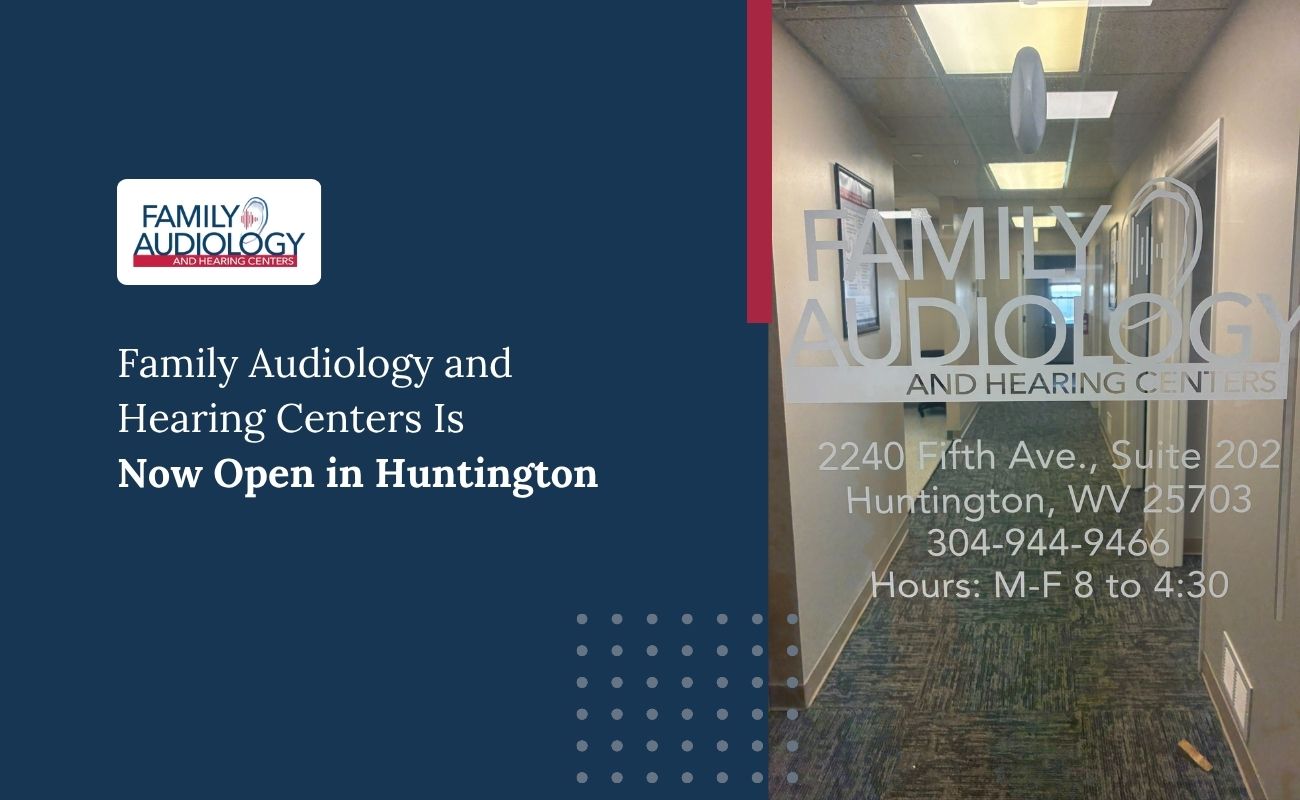
Family Audiology and Hearing Centers Is Now Open in Huntington, WV
Contact your local Hearing Aid Specialists
At Family Audiology and Hearing Centers, we strive to be there for all your family’s hearing needs. Because of this, we have 18 convenient locations in Ohio and Wisconsin for you to visit. See which location is best for you and schedule an appointment today.